

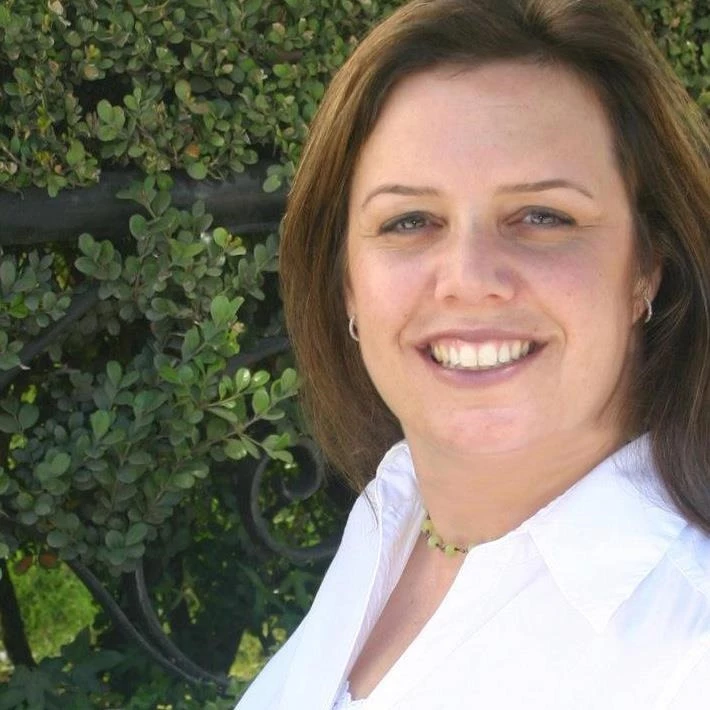
Artist Heather McCalla on Transforming Her Ceramic Art into a Marketable Product
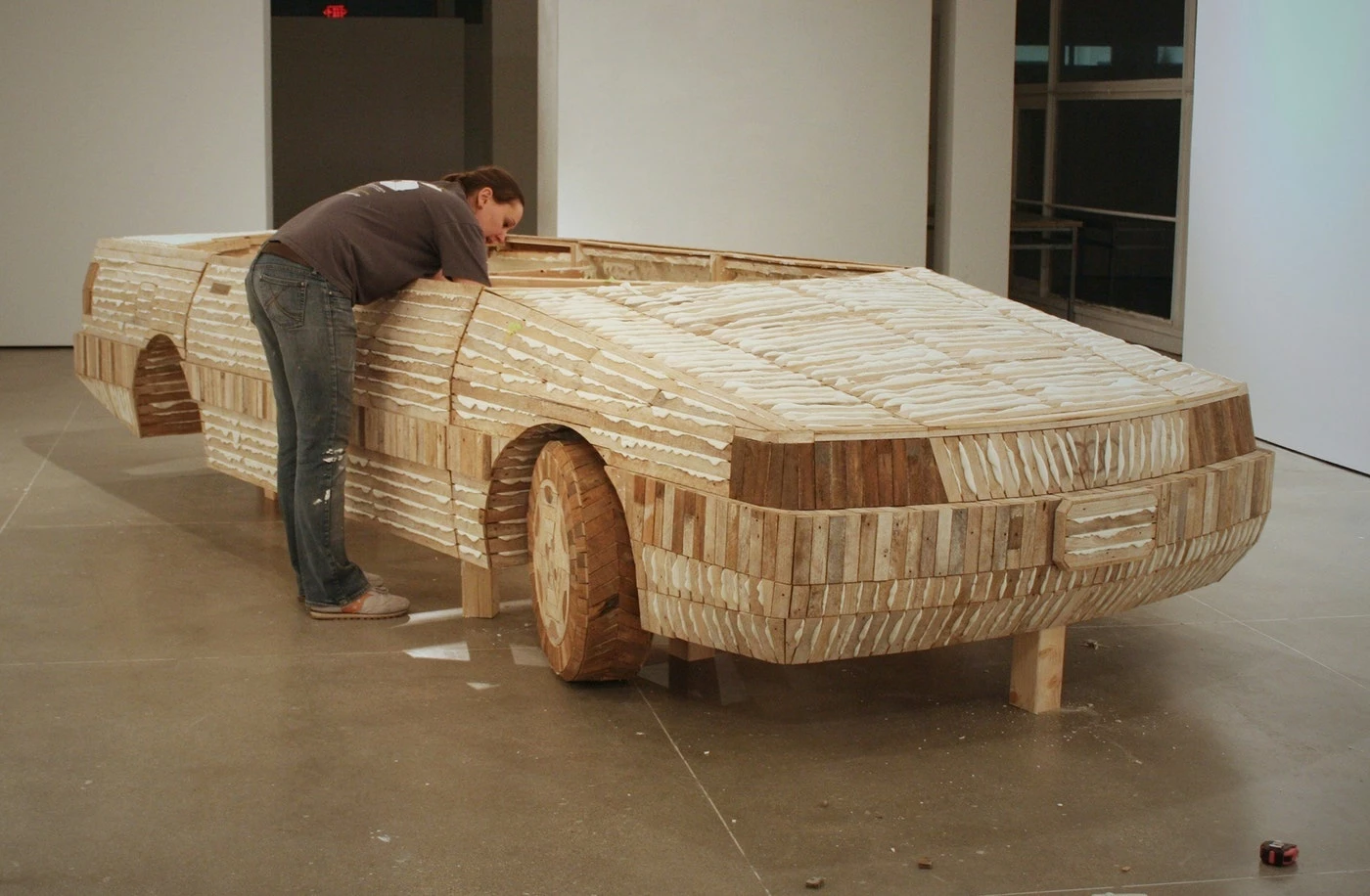
When an attempt to sell her porcelain wares proved successful, Heather McCalla realized she had the beginnings of a business. Winning a major competition pushed her to commit to her venture, guided by the expertise of her peers in the craft industry.
Recently, she readjusted her schedule so that she could combine the teaching job she loves with her work in the studio. Now, Heather is eager to find the perfect price point for her products and learn more about managing her accounts.
We spoke to Heather about juggling multiple jobs, tackling late-night emails and knowing when it's time to take a risk with her pricing.

Name: Heather McCalla
Business: Heather McCalla Studio
Started: Spring 2015
How did you create your awesome job?
It sort of came out of necessity! I teach at a university but it doesn’t pay well, so I decided to try to supplement my income. I thought starting my own business might be a good way to do that while still giving me the flexibility I needed to maintain my teaching schedule two days a week. That’s really how it all began.
Who was your very first customer?
I don’t know for certain who they were, but I do remember where I found them.
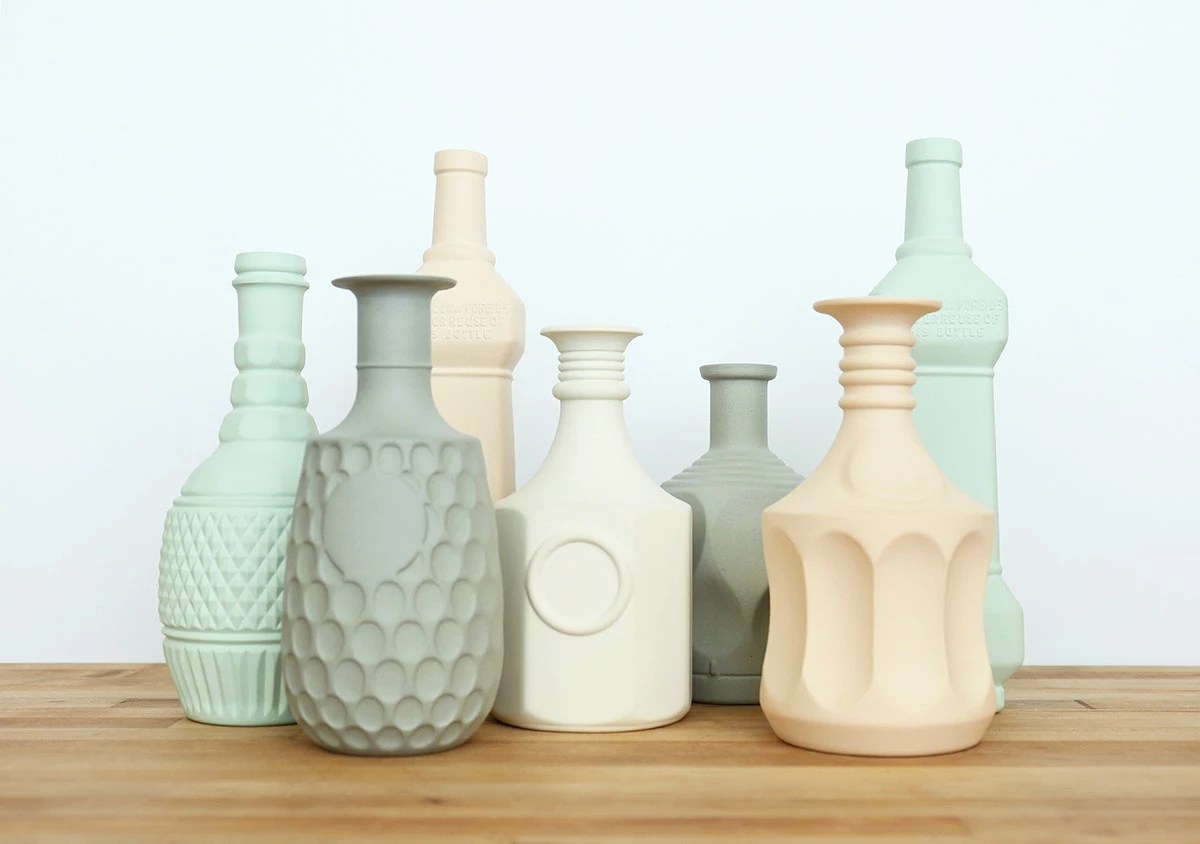
I was exhibiting some of my ceramic sculptures at an art gallery in Richmond, Virginia, and had created several functional pieces to test the techniques I was using in my art — from color to the clay used in the body. Eventually I’d made so many that I thought, why not try to sell them?
I asked the owner of the gallery if I could display my products during the show and was surprised to find that people actually bought things! Those early purchases felt promising and convinced me I had something worth pursuing.
When did you know your business was going to work?
I had some really positive conversations with colleagues and other makers who told me about opportunities out there for people who are just starting out. They convinced me to give it a go.
Things got more serious when I was accepted to the American Craft Council’s Hip Pop program, which helps emerging artists. That was a really significant moment for me — I realized I had to start making more of my products and be ready to take part in a major craft show.
The experience was intimidating, but exhilarating. I didn’t know what I was doing — or if I was doing it right! — but I knew that I had to gather the right materials and present myself as a legitimate entrepreneur. Looking back, that’s really when I decided to commit to my business.
What has been the biggest surprise so far after starting your own business?
There have been a couple. The first is just how much work it is. People always tell you that running a business is hard work, but you don’t know exactly how all-consuming it is until you’re in it. That’s really been an eye-opener and I find that working on my business soaks up almost all of my free time.
The greatest surprise, however, is that I’m not sick of it yet. My biggest fear when I started was taking something I really loved and, in turning it into a profit-driven venture, making myself hate it. That hasn’t happened yet and I still love going into the studio every day.
How do you price your products?
I originally trained in woodwork and only started making ceramics in grad school. When I started Tiny Badger Ceramics, I found that I wasn’t really part of the ceramics community. The biggest challenge for me was to find people who could tell me what the pricing standards are for the industry.
At first, I priced my designs too low. But then, several people I spoke to convinced me to go higher — both to give more credit to my product and to avoid unintentionally disrespecting my craft. I learned to ask myself whether the price of the product reflected the amount of work I’d put into making it. If the answer was yes, I’d go for it.
Over the past year, I’ve been varying my prices slightly and paying close attention to the effect on sales. Changing my prices sometimes feels strange, but I’m at the very beginning of this — I’m still trying to figure out what’s right for where I am.
What does a typical day look like for you?
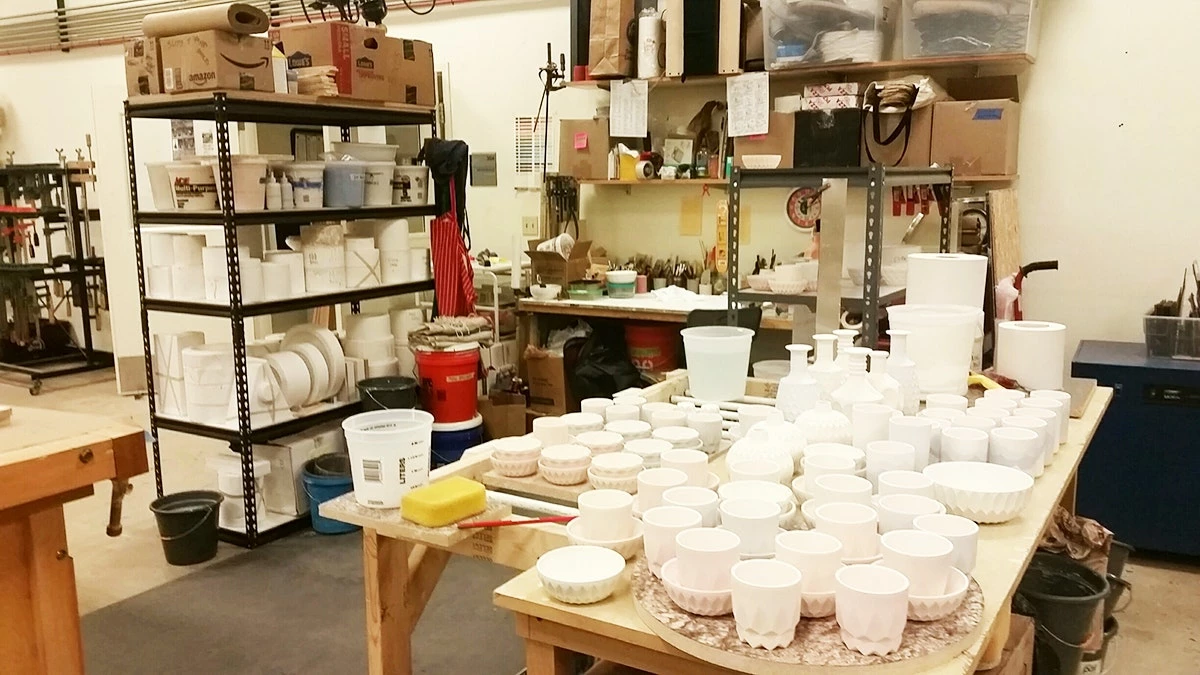
If I'm not teaching, I start with coffee and breakfast to get things rolling before heading to my studio. I take the first 30 minutes of the day to mentally prepare myself and tidy my workspace. Then, I select the molds I’m going to use that day and begin the monotonous process of casting. I can be in the studio anywhere between 12 and 16 hours. There are times I think I might be working too hard, but there’s nowhere else I’d rather be.
I have a tendency to put off dealing with emails and orders for as long as possible. I track them as they come in during the day and deal with them at home in the evening. I find working late into the night is best for me, as I get less distracted.

If you could go back in time, is there anything you would do differently when you were starting your business?
I don’t think there is anything I would do differently. The way I started was right for me at that point in my life. I often wonder if I should have quit teaching and started working on the business full-time, but the little money my profession made me meant that I was able to fund my work. The idea of taking out a large loan was also overwhelming and I’d miss teaching if I stopped.
What would you like to learn today from a network of small business owners and self-employed professionals?
I’d definitely like to learn some of the nuts and bolts of the financial stuff. That’s really been one of the things I’ve struggled with the most — from figuring out where capital’s going to understanding when to take risks.
Taxes are also very intimidating, especially knowing that I can get into trouble if I do something wrong. I found out most of what I know from a book I bought online, but there are still times when contact with other entrepreneurs would be reassuring!

Let's all help Heather out!
QB Community members, are *you* a financial aficionado who knows what it takes to help a small business thrive? Do you have tips Heather can use when she's tackling her taxes or organizing her finances?
Comment below with your awesome ideas and tips! :-)