

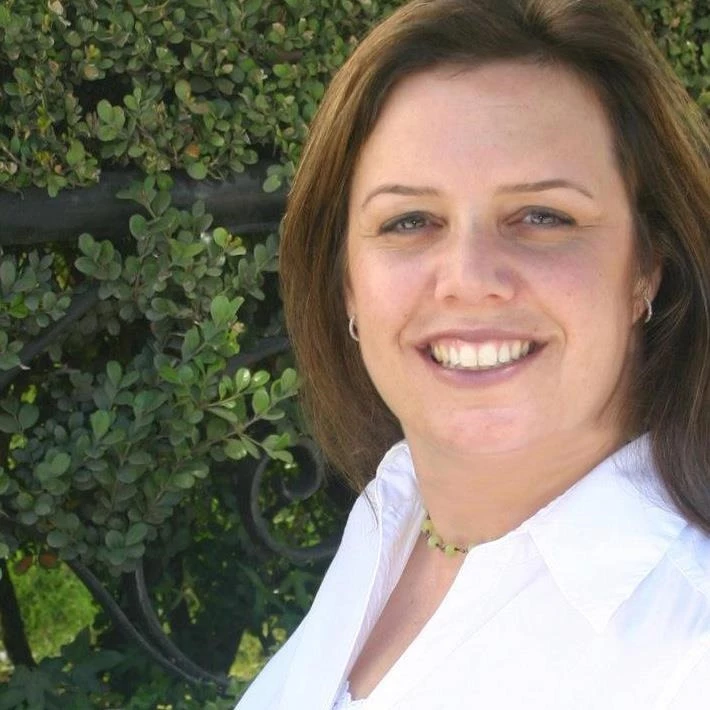
Carving Out a Future: Why Architect James Barber Left His 9-5 to Create and Sell Unique Sculptures

When James Barber realized he wanted to escape his predictable job and find a new creative challenge, he turned to the skills he'd learned in art school — and launched his own range of functional sculptures. Soon, he was taking his weird and wonderful products to fairs across the state of New York.
Now, he's keen to find ways to continue to grow his business and reach a bigger audience. We spoke to James about uncertainty, determining the value of unique pieces and approaching experimentation without fear.
Name: James Barber
Business: Yes Pls
Started: Fall 2015
How did you create your awesome job?
My background is in fine art — I studied sculpture at the University of Minnesota. When I graduated, I worked for companies that made custom-built artworks, which allowed me to expand on the skills I’d learned at school.
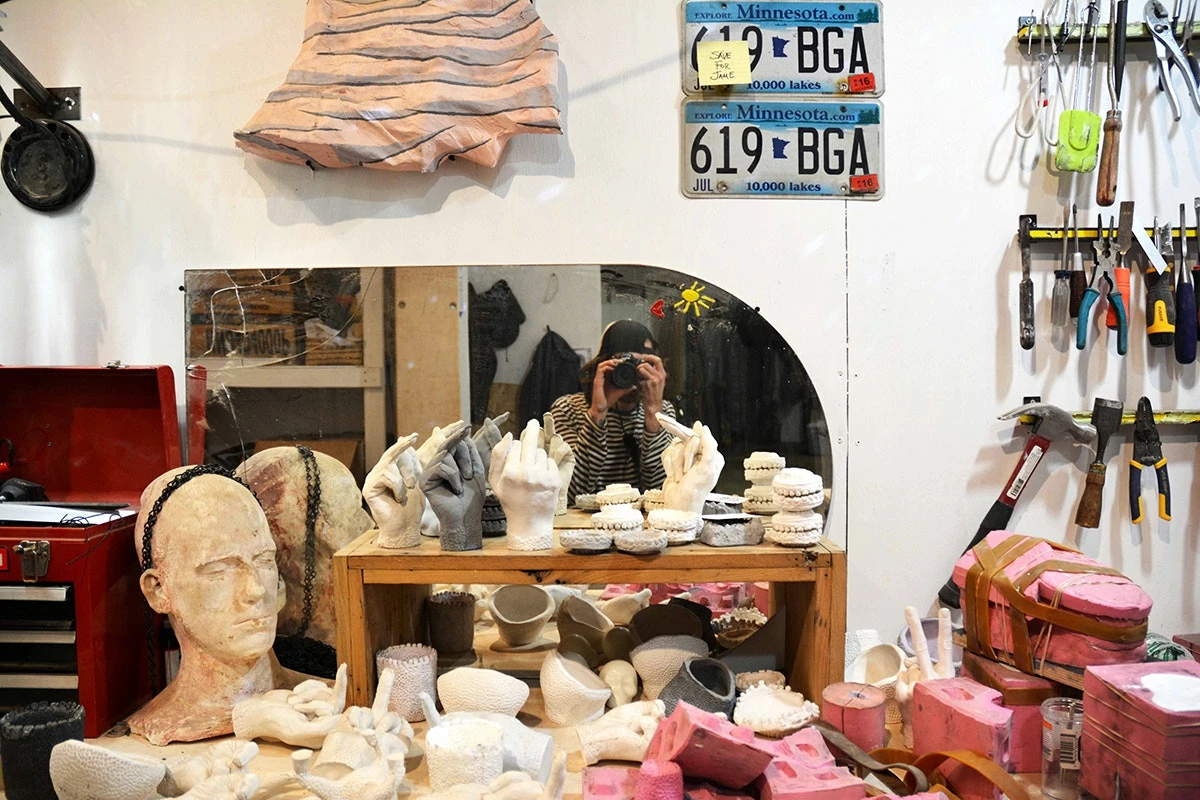
About a year and a half ago, I made a decision to shift my focus away from art and start making things for other people. I challenged myself to consider what a product might look like. It had to be something that somebody would want to have in their house or give to a friend. I decided to make sculptures that would be functional, but inspiring.
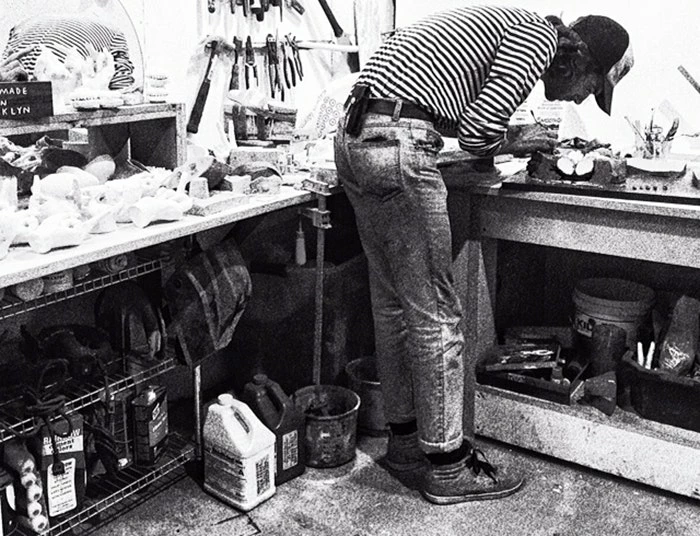
That’s when I created Yes Pls, working from my studio in Brooklyn.
Who was your very first customer?
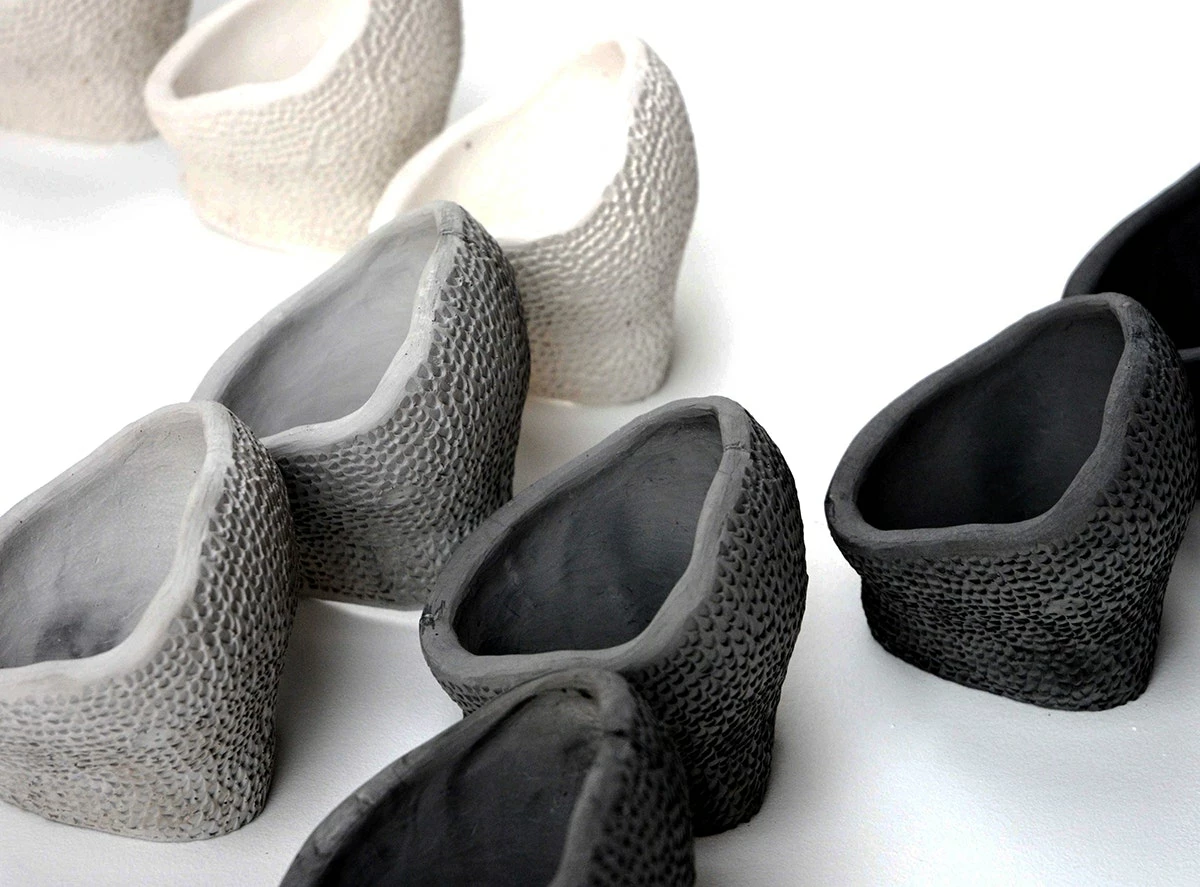
One line of products I have are large tripod planters. The first of these was bought by my studio partner's friend, who thought it was awesome. That was an encouraging moment! I realized that people were interested in my work, and that I should continue to make things and sell them.
The first time I sold to the public was when I took part in Brooklyn’s Renegade Craft Fair two years ago. Visitors to that event became some of my earliest customers.
When did you know your business was going to work?
Is it going to work?! I view it all as a huge experiment. I’m not a businessman and that side of the project isn’t something that I’m good at. I’m quickly learning that if Yes Pls is going to grow, I’ll need to hire someone to do PR and advertising. The idea of turning myself into a brand is strange but, in many ways, it’s already happening.
I’m also trying to decide what a thriving business looks like. Is it one that makes you happy but not necessarily rich? Or one where you can be your own boss and sell to people around you? Or is it hiring 50 employees to mass produce your products?
That doesn’t sound fun to me, though it’s something a lot of financially successful artists have done — and reaching a large audience could be cool.
What has been the biggest surprise so far after starting your own business?
The biggest revelation was having to learn to be a salesman. I didn’t really see that coming! Of course, if you make things for consumers to buy, you’re going to have to sell them. Thankfully, I found that I’m good at it.
Another surprise is things like this doing this interview — it’s been incredibly encouraging to find out that people want to write about what I do.
How do you price your products?
The main lesson I’ve learned is how to move away from pricing artworks and to focus instead on finding the right cost for work that is going to be sold in a consumer setting.
In art, a lot of value is placed on the voice of the artist. Objects are often unique and more valuable because of it. Products lose some of that power, especially when multiple editions are made.
When I price a product, I take into account the fact that I’ve made a mold, cast the object by hand and transported it from my studio. Often, I find that people at fairs think the work is awesome, but when they find out how much it costs, they leave.
In a market scenario that shouldn’t be happening. To overcome that, I’ve had to find an amount I’m happy with and cut it in half!
What does a typical day look like for you?
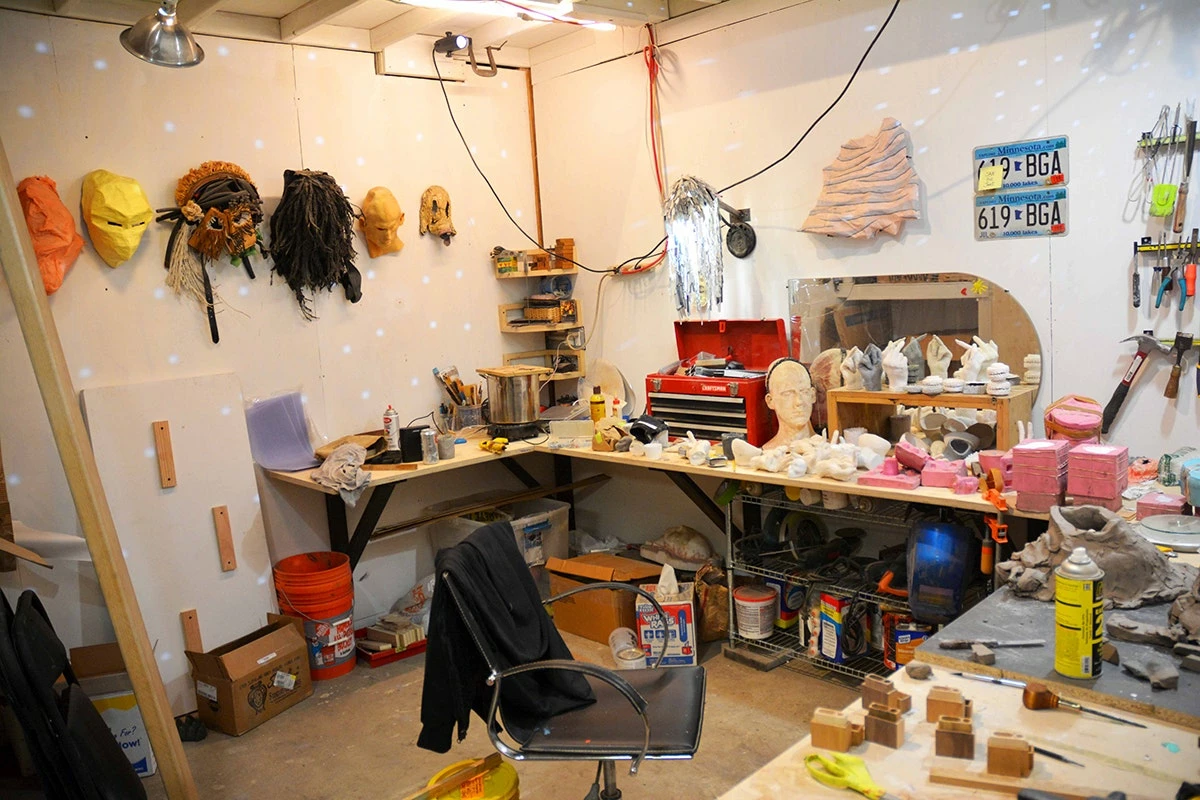
Every day is different. It’s a refreshing change from my previous job in an architecture firm, which I quit to start this project. The variety is good, because I get bored if I’m not challenged. Yesterday, for example, I made some desks for an advertising office in SoHo. Tomorrow, I’m going to make a bed for a friend’s apartment.
I do a lot of work just to pay the bills. I’ve been in New York for four years now, building up a network of contacts, which is great for sourcing freelance work. Eventually, I hope to save enough money to start my own casting operation, which will allow me to create metal versions of my existing sculptures. The process is incredibly technical. I took classes in college, but starting from nothing is a whole other story.
I’m terrible at updating my website, but I've found that Instagram is a great platform. It helps me to share my products and has allowed me to meet a lot of amazing people.
If you could go back in time, is there anything you would have done differently?
I would have gotten weirder sooner! I’ve learned that it’s the stranger elements of my products that make them unique and give me a distinct voice. A lot of people were grossed out by an ash tray I made that featured teeth, but I love knowing that a design is capable of affecting someone in that way. I want to create things that challenge perceptions.
What would you like to learn today from a community of small business owners and self-employed professionals?
The hardest thing right now is understanding when to take a leap to the next level. I’m considering renting a space with other designers, so that I can tap into their experiences and learn from them.
How do you know when to hire someone, or to ask for a business loan? Do you measure your success on the number of Instagram followers you have, or in the amount of money you make at fairs?
Let's help James out!
Are you, like James, an entrepreneur who has struggled with questions about how to grow, or how to bring on new team members? What metrics do you use to measure success in your business?
Share your own tips and ideas with us in the comments below! :-)