


Carving out a Niche: How Artist Aleksandra Zee Found a Following for Her Bespoke Woodwork Creations

Aleksandra Zee’s career is characterized by persistence. For years she juggled two jobs while establishing herself as an artist. Her determination has seen her succeed as one of only a handful of women working in the male-dominated woodwork industry.
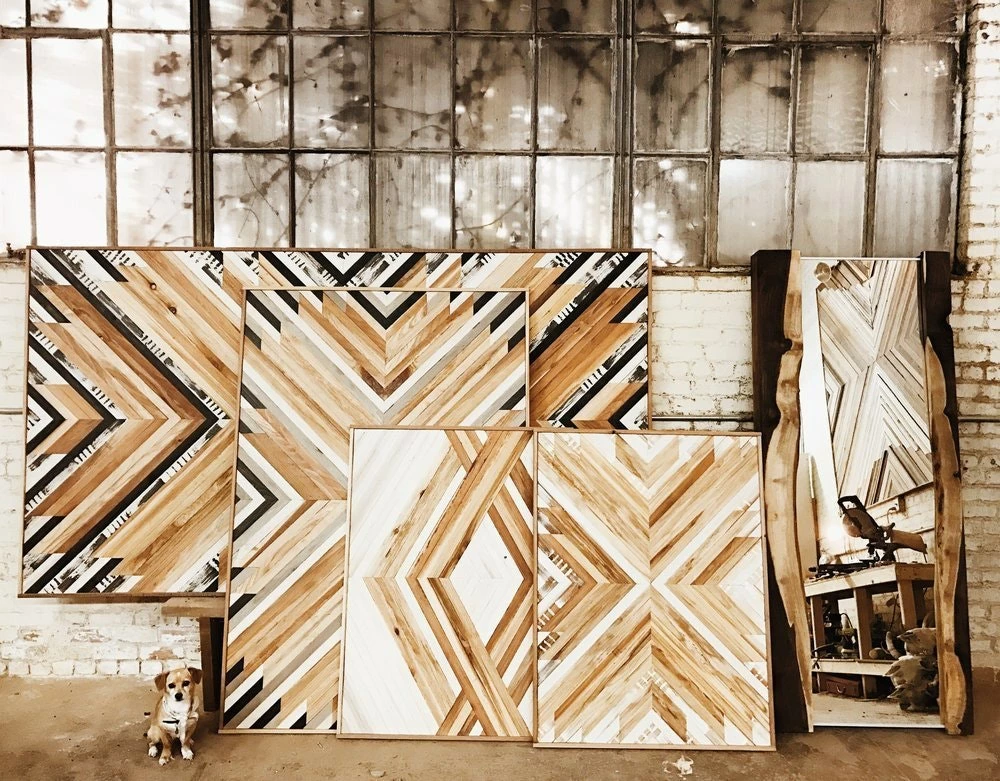
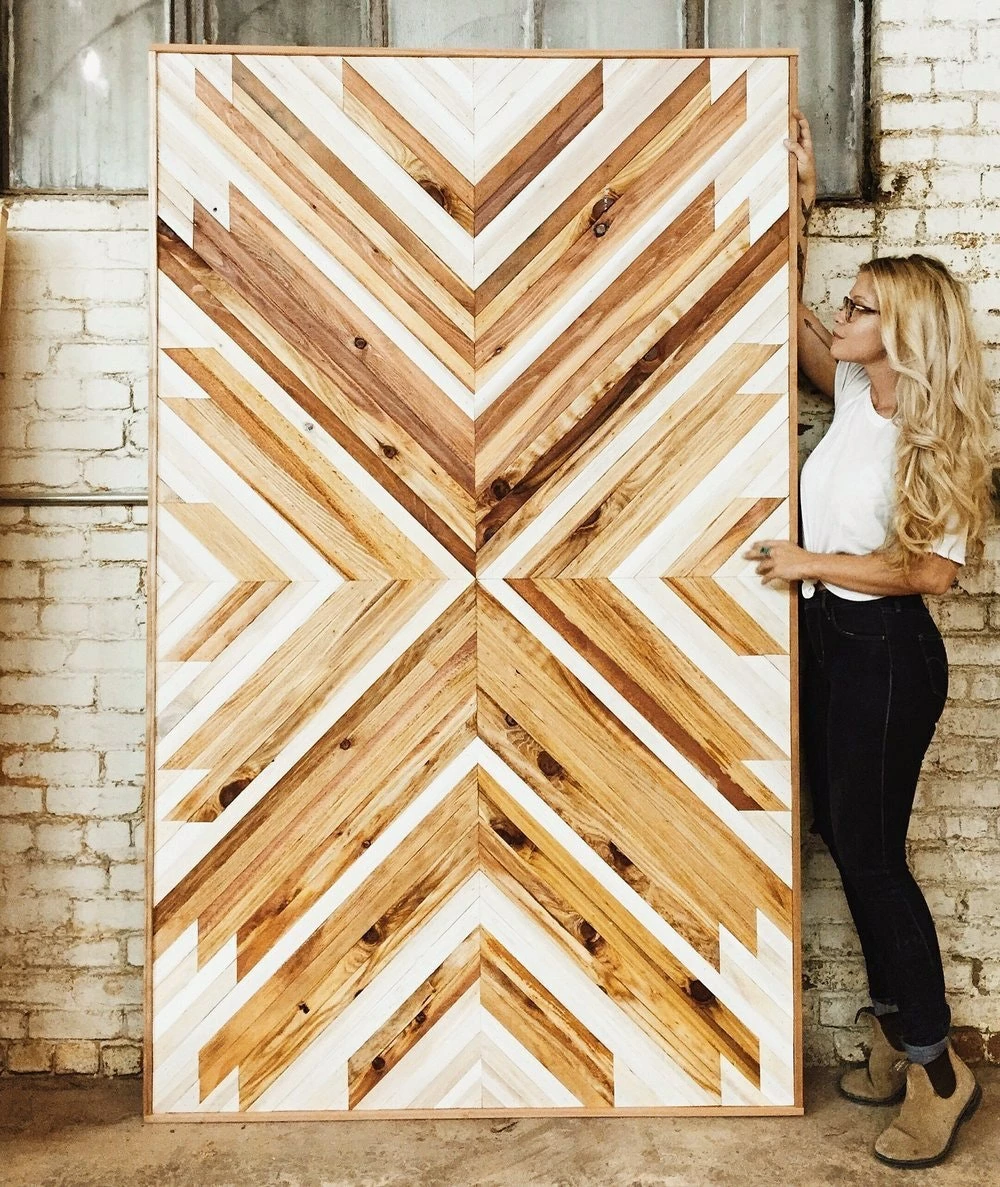
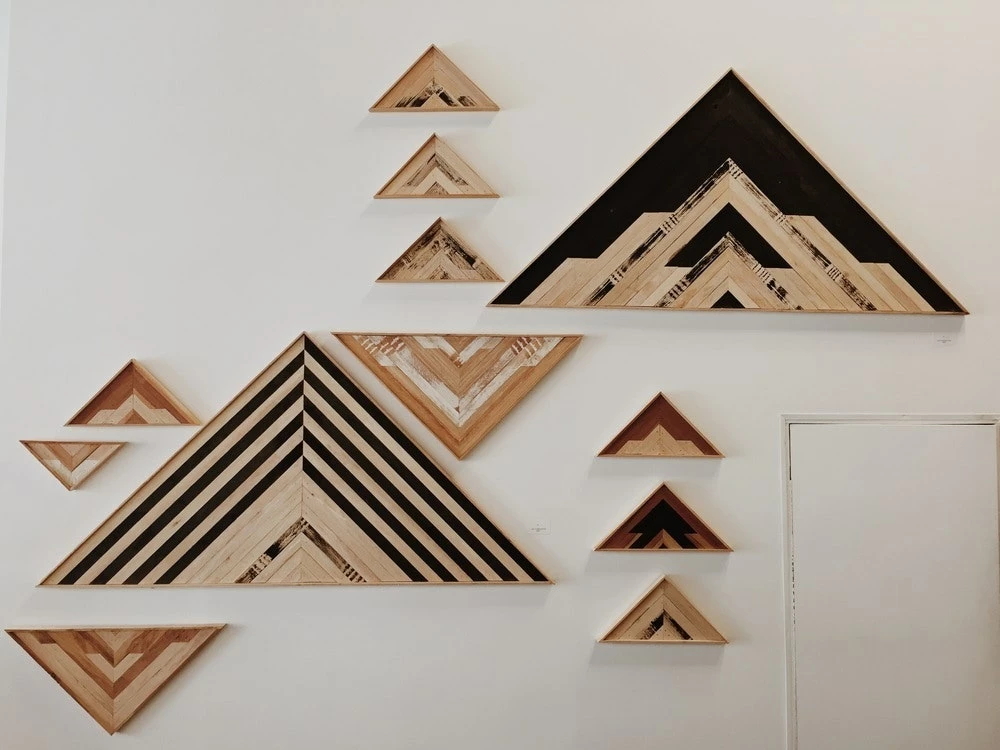
Despite these challenges, she created a unique market position for herself with her handmade, geometric wooden wall hangings and found success thanks to a sizeable Instagram following and a loyal customer base.
We spoke to Aleksandra about finding the confidence to start a business, using social media as a positive influence and keeping her products unique.

Name: Aleksandra Zee
Business: Aleksandra Zee
Started: July 2014
How did you come to create your business?
I fell in love with woodworking back when I had my first job with the retail company Anthropologie. I was a display artist at one of their stores.
When I created displays, I would do a lot of woodwork, like building tables, fixtures and installations. I realized quickly that this was my medium. I also realized I didn't want to work for a retailer anymore — I wanted to work for myself. So I quit and got a job as a waitress, found a studio and for three years spent nights developing my designs.
It was when I started getting invited to craft shows that I knew I could make a living from my art. It all snowballed and a lot of great opportunities opened up. In 2014, I began focusing on my business full-time.
Who was your very first customer?
Starting out, I had so many commissions from friends and family! The biggest thing that launched my business was when I went to the West Coast Craft fair in California in 2014. That was my first show. I made lots of connections there and sold all of my pieces. That pushed me to focus on my company full-time, because I realized that the public really did like my work!
My largest audience now comes from Instagram. It's how I reach people all over the world — I'm not sure what I would do without it!
When did you know your business was going to work?
It happened when I was working as a waitress.
I was waiting on a table of my friends, telling them that I wished I could just concentrate on art full-time. They said, "Just quit!"
For some reason, this gave me the confidence to resign from my job then and there! I haven't looked back since. The risk I took in leaving made me work even harder, which enabled me to really start making a living from my business.
What's been the biggest surprise so far after starting your own business?
It's been surprising how running a company is so 24/7! It's not like I can clock off once I'm home. There are always emails to be answered and things to do. Managing my own business is a lot of work, but if I’m going to be working hard, I may as well be doing something that I love.
How do you price your products?
I calculate the cost of each piece based on its size in square feet, taking into account my overheads and an hourly labor rate with a markup. Since I’m a one-woman show, I tend not to do too much wholesale because I can only make so many items per month.
Every year I raise my prices, which is standard in the art world. I like to make my work accessible, though. I have a community of young followers and I want them to be able to afford my work. I love my art to be collected by my peers, so it needs to come with a price tag that's attainable for them.
What does a typical day look like for you?
I'm really lucky, because my workshop is five minutes from my house. I usually take it easy in the morning and do some emails, walk my dog and head to the studio. I'll stay there for around six hours. It's a quick back and forth!
Each day is different. Sometimes I'm prepping and painting, other times I'll be making a piece or just experimenting and trying out new patterns. That's my favorite way to spend the afternoon. My days never get monotonous, which is wonderful.
I try to give myself some time off too, with no computers allowed. I'd hate for my job to feel like a chore. It's important that I maintain a good work-life balance, especially because I live so close to the shop.
If you could go back in time, is there anything you would do differently when you were starting your business?
I would go back six years and buy a house in San Francisco, before the tech boom went crazy. I would have gotten myself a property where I could live and also have a studio in the basement. I'd love for it all to be in one place! That's definitely my long-term goal: to build a combined house and workshop.
What would you like to learn today from a network of small business owners and self-employed professionals?
There's a few things. I'm still trying to figure out how my business is going to grow and what that means in terms of hiring employees or which markets to enter into. I definitely don't want to go into mass production, because artwork loses its value if it's not personal. I want my creations to be unique, but I'm also keen to move into making bigger pieces.
I'm trying to figure out how to do that — what I'm able to do myself and what parts of the process I can hire out. I'd love to hear from other small business owners here how they manage growth, especially if their products are individually made.
Calling all outsourcing pros!
Can *you* help Aleksandra find ways of increasing her production rate without compromising on quality?
If you've been through a similar situation as you were growing your business, or if you have experience with hiring new employees, we'd love to hear your stories.
Share your tips with us in the comments below! :-)