

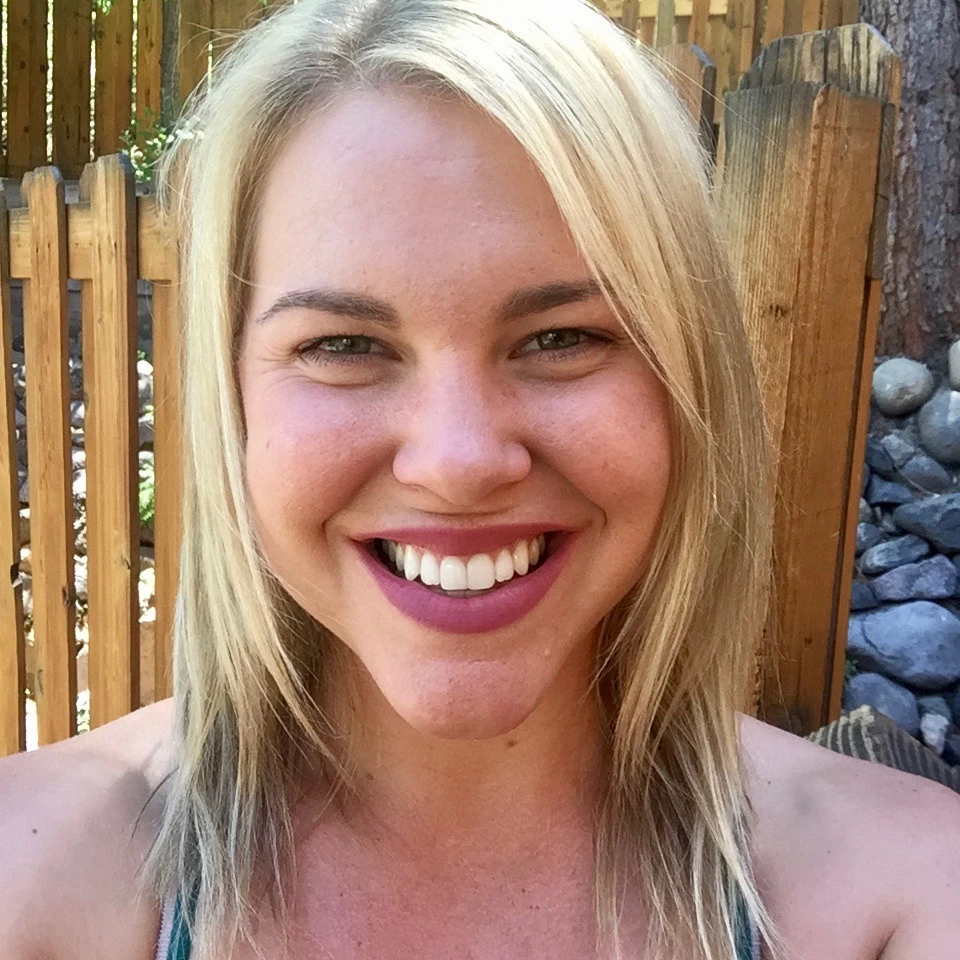
Finding the Perfect Formula for Your Wholesale Business. Meet Angela Smith from Purl and Loop

Purl and Loop could have been over before it even started — lenders practically laughed in Angela’s face when she asked about taking out a business loan for a local yarn shop. Why? Because they thought the idea was outdated and unnecessary.
Luckily, Angela persevered and now she's building a successful wholesale business through her online shop. Read on for the big "a ha" lesson she learned while selling at a wholesale show and her trick for creating great photos on your website, even if you only have an iPhone.
Take it away, Angela!

Name: Angela Smith
Business: Purl and Loop
Started: 2011
How did you create your awesome job?
It was my dream to create a local Houston yarn shop, but I couldn’t get any funding from banks to open a brick and mortar store. They didn’t think there was a big enough market and they wouldn’t give me the time of day.
Determined to prove them wrong, I took money from my savings and started an online store. I planned to buy yarn from local manufacturers to sell on my site, but the manufacturers didn’t like that idea. They thought I’d take their materials at wholesale price and sell them on eBay for a fraction of their retail cost. But that wasn’t my intention!
Eventually, I found one manufacturer who was willing to sell to me, but only if I placed a $5,500 order. To put that in perspective, that was $4,500 more than their normal minimum for wholesale. I was shocked by the sticker price, but I knew I had to do it in order to make this business work.
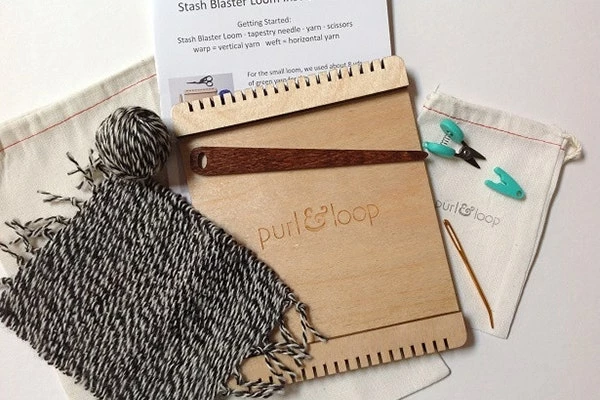
The yarn I purchased took up most of my garage, so I had to think of clever ways to sell it online. I started with little knitting kits and a washcloth pattern that I sold online and at local markets.
I managed to sell all of that cotton yarn within a few months, but it wasn’t until 2013 — when I started making custom portable looms with a laser cutter — that my business really took off.
Who was your very first customer?
When I decided to start Purl and Loop, I quit my day job as a realtor in Houston so that I could give the business my full attention.
I had time to kill while my website was being developed and I wanted to keep the momentum moving forward, so I hosted parties at my home where I sold products to friends and family.
I doubt any of them were really interested in my products, but they all found a reason to buy something and I’m so grateful they did, because that little bit of income gave me the energy and enthusiasm I needed to keep going.
When did you know your business was going to work?
I really felt like this was working only about a month and a half ago, when I finally managed to run a successful stall at a wholesale show!
The first one I attended was the 2014 Houston Quilt Market, and it didn’t go well. People didn’t notice me or see my products. When I spoke to the seller next to me, who had a crowded stand all day, she told me I had to present products in a way that showed other sellers how they could sell the products.
That completely changed my perspective.
I spent the next month rethinking my wholesale sales strategy. When the next show came around, I knocked it out of the park.
Up until that point, I’d say I operated at 5% of my capability. Now I’m running at 95%, all thanks to her advice!
What has been the biggest surprise in starting your own business?
Until I ran a business, I never realized how powerful a positive mindset could be. It amazes me that I can say I’m going to do something and make it happen. A blogger once told me that I shouldn’t let perfection stand in the way of progress. Whenever I feel like I’m over-analyzing something, I repeat this to myself and just get it done.
How do you price your products?
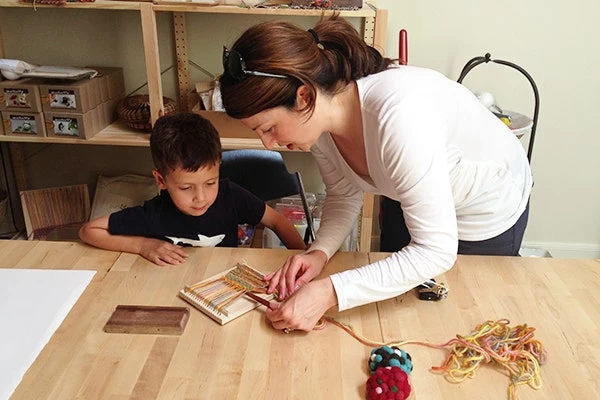
I really have to think about the time it takes to create a product and take even the smallest things into account, like the cost of printing the instruction manuals for the little kits and the time it takes to lift wood with a forklift truck.
I always knew that I wanted to sell my products to other stores to grow my market, but because there’s less of a margin in wholesaling, it’s crucial to take every small thing into account.
Luckily, I’m numbers oriented, so this is how I’ve always done it.
What does a typical day look like for you?
I run the business and have five part-time employees. My daily routine is determined by when we can get access to the laser cutting machine to make our looms.
I start my day the evening before, looking at our retail and wholesale orders and stock levels, then working out what I need to get done the following day. I also answer all of my emails at night so they don’t take over during the day.
I wake up every morning at 4:45am to walk the dogs and go to an exercise class at 5:45am, which helps me manage stress and think clearly. Then, I get all my admin done between 9am and 10:30am before heading over to the studio, stopping to pick up materials on the way.
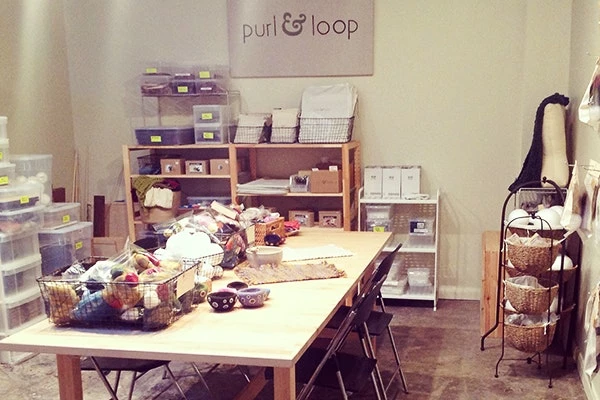
When I get to the studio, I prep the materials and make sure my staff have everything they need to do their jobs before our slot with the laser cutter. Once all our orders for the day are fulfilled, I start on the to-do list for the next day and the process starts all over again.
If you could go back in time, what’s the one thing you’d do differently in starting your business?
I wish I had learned more about photography. I was so anxious about it at first, mainly because of one conversation with a photographer who told me that she never photographs products without $20,000 of equipment. I felt sick after hanging up the phone.
After that, I enrolled in a short one-day photography class. The teacher explained I could take great photos of my products using my iPhone and a simple editing site called PicMonkey. Now, taking photos is the easiest part of my day.
What would you like to learn today from a network of other small business owners and self-employed professionals?
I wish I knew more about metrics.
What percentage of revenue should I devote to labor each year? And how much should I spend on marketing?
I don’t have any friends who run their own businesses, so it’s hard to ask for advice. I’d like to know what my metrics should look like before expanding into a bigger space, and I would love to hear anything that other business owners wish they’d known before expanding.
Can you help Angela do the math?
What tips do you have for Angela as she considers expanding into a bigger space?
How do you measure the amount you should be spending on marketing every month?
Share your ideas for managing your budget below! :-)