

High School Drama Program Teaches Kids How to Run a Business. Encore!
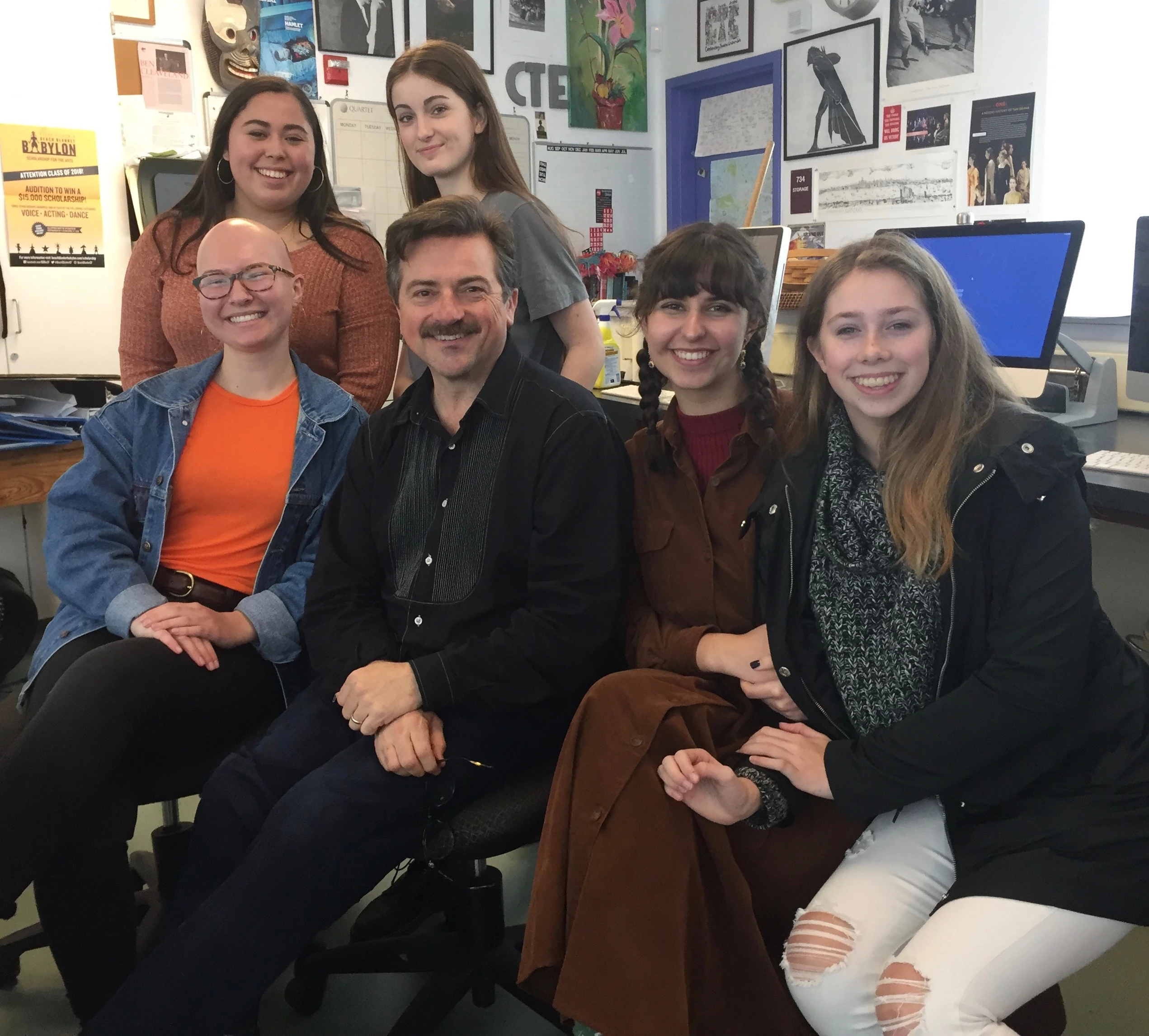
Name: Ben Cleaveland (CTE director) and Maggie del Castillo (CTE board co-president)
Business: Conservatory Theater Ensemble at Tamalpais High School
Location: Mill Valley, CA
Founded: 1962
Question: What do students in a high school theater program have in common with small business owners everywhere? If you’re a student in the Conservatory Theater Ensemble (CTE) at Tamalpais High School in Mill Valley, CA, the answer is, well, everything.
CTE is a student-operated organization, and the 350 teens currently enrolled are learning about far more than Shakespeare, script writing and scene blocking. Effectively serving as “owners-employees” of a small business, they’re also getting first-hand business training on managing money -- including budgeting, P&L and invoicing – as well as how to raise capital, market a product, grow their customer base and, sometimes, deal with unexpected fiscal constraints.
 Intrigued? So were we. That’s why we sat down with CTE director Ben Cleaveland and co-president of the student-led board, senior Maggie del Castillo. We said, bravo – and please tell us more!
Ben, you’re a fourth-generation Mill Valley resident and a graduate of the CTE program yourself. Will you give us a brief history of program?
The very first drama class at Tam was taught by Dan Caldwell in 1962. From the very beginning, the program had an “ensemble” approach based on teamwork and collaboration throughout the entire creative process. Dan’s goal was to have “many working as one” and to ensure anyone who wanted to join was welcome.
Today, nearly 60 years later, the same philosophy exists. Our drama program is not a “star” system. No one auditions to get in – we believe in hard work over talent. My job is to facilitate or coach. It’s the students, not teachers or parents, who are in charge.
Was giving kids an entrepreneurial experience always a goal of CTE?
In a way, it was. Just like today’s program, students in the early days did absolutely everything related to putting on a production. They had to act, direct, build sets, hang lights, fundraise, promote, manage concessions and run the box office.
Some things are a little easier now – for instance, the kids use QuickBooks to reconcile our account each month, and they manage a PayPal account and an Excel database. The board members analyze our P&L, assess the budget and make short- and long-term planning decisions. They’re responsible for fundraising about $160K every year.
For every show, the kids create punch lists for the production items they need. They calculate, negotiate, cut costs and go out and purchase materials. They discover the importance of always trying to solve for cheaper.
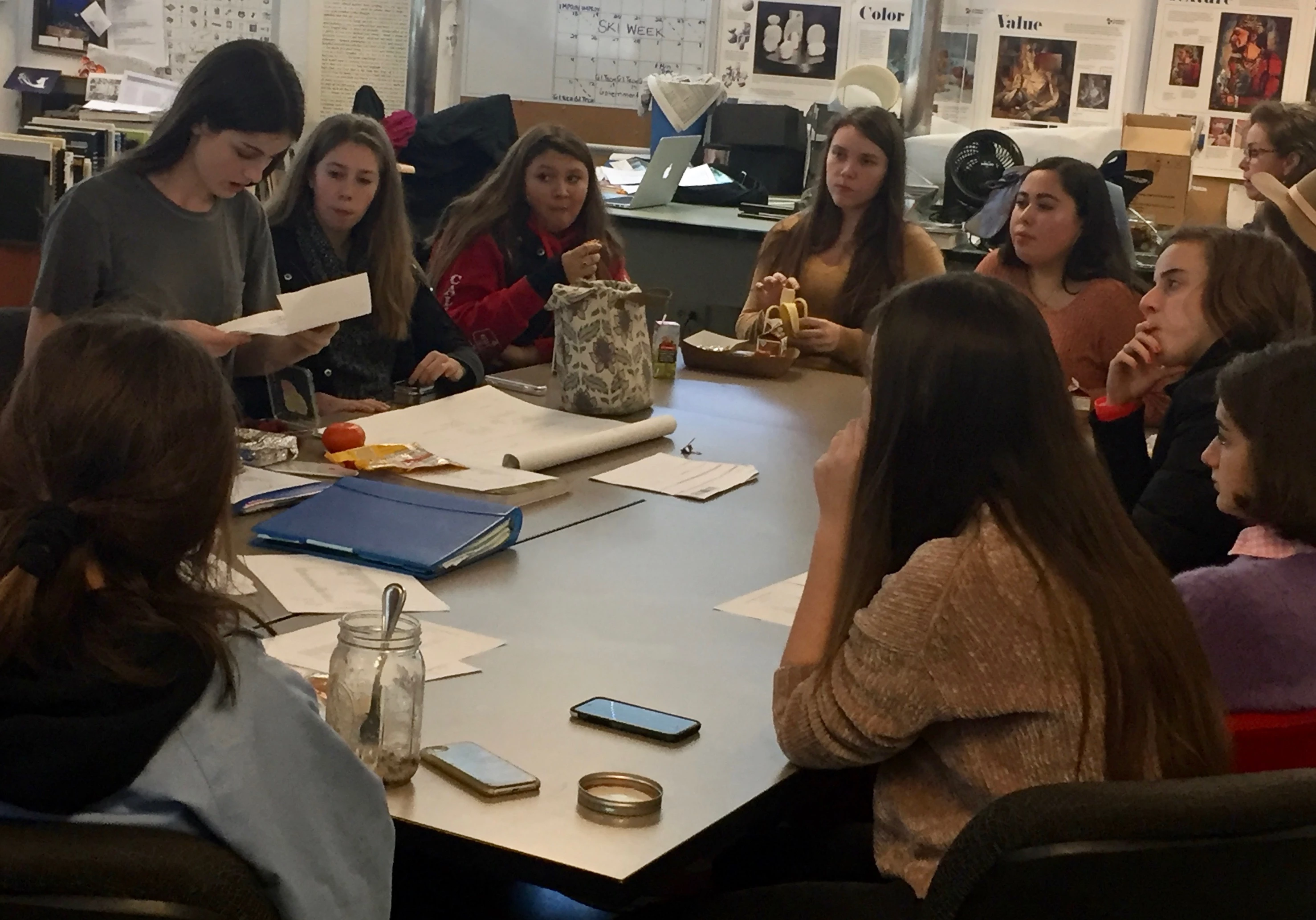
Maggie, you’re a senior, but you joined CTE as a freshman. What drew you to the drama program?
In middle school, my English class performed "A Midsummer Night's Dream," and I played Bottom. I hadn't done any theater before. Honestly, I had really bad stage fright, but the play was such fun that I wanted to try drama in high school. The program was so interesting I’ve stuck with it for all four years.
I realized how special CTE was because it is all student-run. The teachers are there to guide us, but, ultimately, we make the decisions and execute our own ideas. I have grown so much as a person because they let us, the students, be in charge.
It sounds like you’ve learned a lot of “real life” skills that high school doesn’t typically teach.
I had no idea, coming into this program, I’d be involved in everything from analyzing text and doing improv to running a small company. I am planning on becoming an actor, and I know in the future I will have to manage myself almost like a business. I feel much better prepared for my life after high school thanks to my money management skills!
Something else I’ve learned is how to creatively problem solve. We have limited resources because we are a public school, and we have to work within our budget to create our productions. I have also discovered the importance of collaborating and compromising, including when running the board.
There’s a quote by the Russian actor and director Stanislavski that we always repeat at CTE: "Love art in yourself and not yourself in art.” Creating a play is not about showcasing your own talents. It’s about serving the play and making those around you look good.
Maggie, that sounds like a great approach to theater, to business and to life.
You know, on the very first day of CTE, Ben told us, “Make as many mistakes as you can, as fast as you can.” I used to be very scared of failure, but at CTE, we celebrate mistakes. That thinking has changed my life for the better. If you aren’t willing to make mistakes, how will you progress in life? How else can you learn?
Before you go
QB Community members, what experience did you have as a student that helped shape you as the business owner and entrepreneur you are today? Please share your story below!