

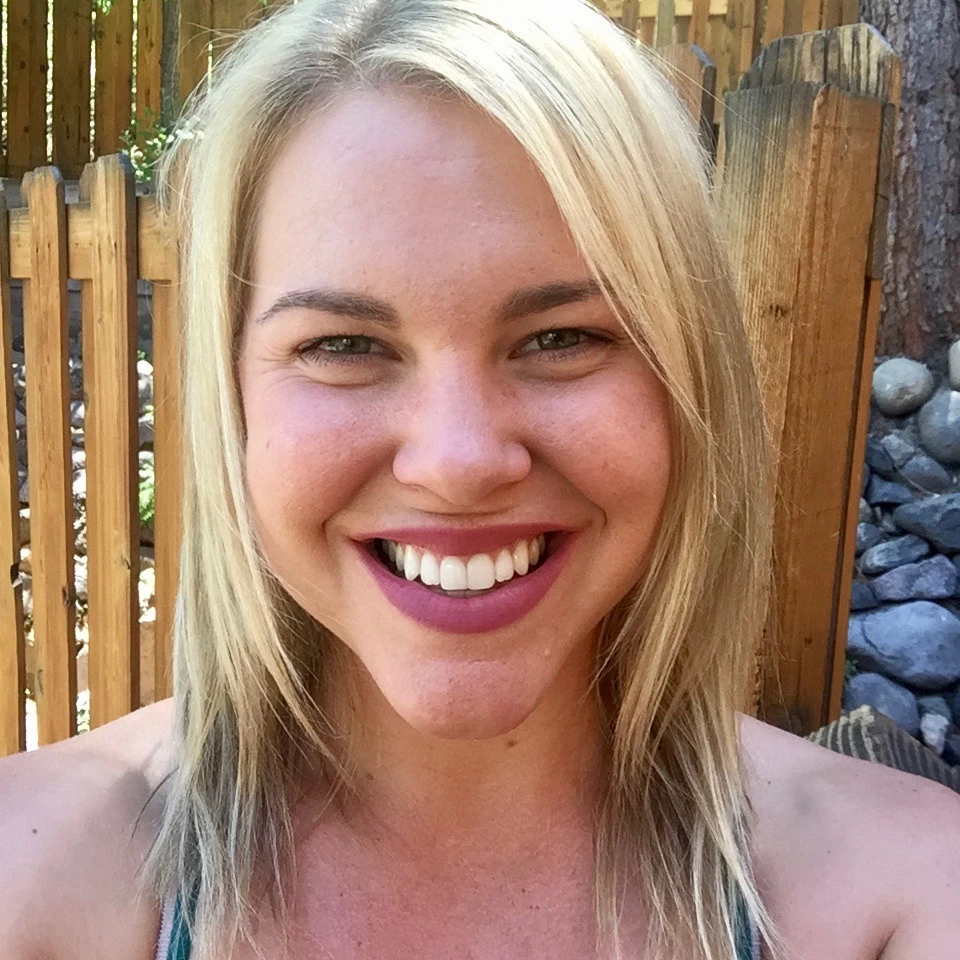
How Caitlin Ahern is Learning to Scale a New Business

Caitlin Ahern is on a mission to change the world of experience tourism for good. Her business, Thread Caravan, connects native artisans with English-speaking travelers to teach them ancient craftsmanship skills.
We chatted with Caitlin about how she got her first customers and what her big goals are for her new business. Plus, read on to find out what she's hoping to learn next from you.
Name: Caitlin Ahern
Business: Thread Caravan
Started: June 2015
How did you create your awesome job?
The idea came to me about a year and a half ago, when I was living in Hawaii. I met up with a photographer friend, Alex, who’d just come back from Alaska. He was doing environmental documentary work out there, spending time with a group of Native Americans who had been pressured into selling their land to loggers. The community thought they’d only be losing the wood, but cutting down the trees also meant removing the roots that had filtered the water in the ground before it reached the river. Dirtier water meant that the salmon population (which the local people relied on for food) moved on from the area.
When Alex told me about this, I started thinking that there had to be a better way for native people to make money, and art tourism came to mind. Paying indigenous craftsmen to teach travelers their ancient skills seemed like an idea that could please everyone.
I studied Sociology in college and have always been into sewing and art, so fair trade seemed like a nice way to combine these things. But, I had a problem with the fact it relies so heavily on consumerism. I don’t have an issue with people buying things, but it doesn't make sense for a person to just purchase items blindly because they think they’re doing social good.
I wanted to bridge the gap between the products and the makers. So, I started Thread Caravan.

Who was your very first customer?
The first trip I put on was to Guatemala in June of 2015. It was a pilot run, so I invited friends and family to spend time with local artisanal weavers and tested out the itinerary.
I took the feedback they gave me and planned a second journey to Guatemala in of August 2015, this time inviting the editors of Majestic Disorder magazine. They wrote a feature and promoted the tour on Instagram, which led to paying customers booking our third trip!
I chose Guatemala as the first country because I fell in love with it a few years ago when I visited with friends. I moved here to set up the company because it's an inexpensive place for my target market — North Americans — to visit.
I also ran a trip to Oaxaca, Mexico, in November where we made mezcal, a traditional alcoholic drink, and mole, a local sauce. It’s my goal to extend beyond Latin America in the near future.
When did you know your business was going to work?
I’m still working on that!
I want to get to a point where I have people I don’t know consistently booking these trips before I expand to other countries. I have connections in other places — block printers in India and silk weavers in Madagascar — but I need to focus on getting customers booked onto the tours to Guatemala and Oaxaca first.
Right now I’m working on reaching out to groups of people, so I'm targeting study-abroad departments at universities and knitting guilds in the States, as well as trying to use my personal network.

What has been the biggest surprise so far after starting your own business?
There are little problems that come up on the trips that I have to solve, like getting around flight delays, but small speed bumps can only be expected.
Before moving to Guatemala, I lived in Cambodia and Hawaii, so I've felt out of my element for a long time. This whole experience has made me embrace surprises as a normal part of day-to-day life.
How do you price your trips?
Pricing these trips is tough because there are so many minor, random costs that pop up out of nowhere.
It should really be a simple model based on figuring out what we need to pay artisans and the cost of accommodations and food, but even small things like unexpected ATM fees add up.
The more I do it, the better I get.
What does a typical day look like for you?
I send emails and reach out to new potential customers through Instagram every day, but I try to keep a good balance between working and enjoying Guatemala.
Thread Caravan isn't my full-time job yet. I also work at a shoe store called Uxibal, which sells handmade leather and textile shoes and bags. Lots of people come into the shop from the States, so it gives me the chance to talk about my business in person, which I love.
Whenever I get the opportunity, I meet with the artisans I work with and typically make contact with them by partnering with existing organizations. In Guatemala I collaborate with Maya Traditions, an organization that normally connects female artisans with international markets. I provide an alternative means of income for the women they work with.

If you could go back in time, what’s the one thing you would do differently when starting your business?
I could have set my prices higher in the beginning and factored in all costs, but I’m working on those things now.
I’m really just now looking at the numbers closely and have stopped dismissing business overheads as general personal expenses that I’ve incurred by moving to Guatemala.
I’m learning as I go and I'm really enjoying the challenge.
What would you like to learn today from a community of other small business owners and self-employed professionals?
I get regular emails from people who’ve found Thread Caravan through Instagram, which gives me the confidence to continue what I’m doing. However, the people who send them rarely book trips.
I don’t think it entirely has to do with the financial commitment part of purchasing a trip, but more because I’m too removed from my U.S. client base.
I'd love to know: How I can inspire more trust from potential customers abroad while I'm living full-time in Guatemala?

Let's help Caitlin out!
Calling all experts who have experience running a business abroad!
How do you build trust with potential customers when they're living in a different time zone? Do you have tips for Caitlin as she explores better ways to bond with her audience in the U.S.?
Share your ideas with us below. :-)