

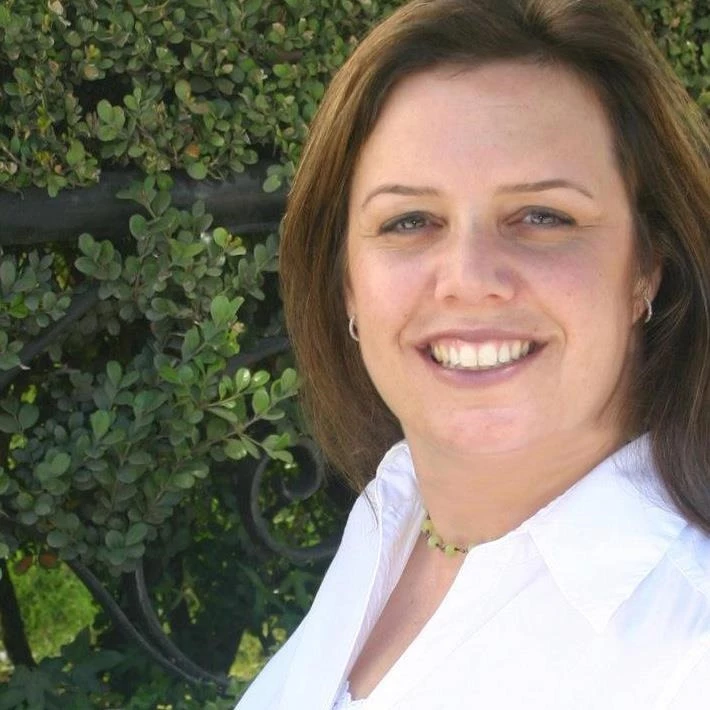
How to Save Cash by DIY'ing Your Business. Meet Shop Owner Araya Jensen
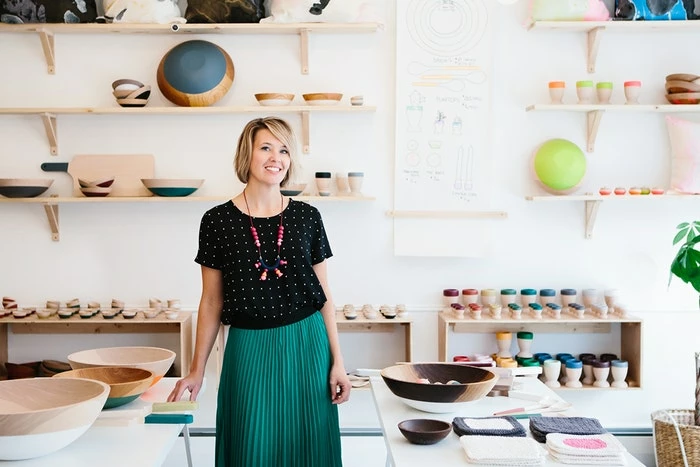
When Araya lost her job as an interior designer, she decided to turn her misfortune into an exciting future by starting her own business from scratch.
To save cash in the early days of testing out her business idea, Araya learned how to do everything herself — from coding her website to creating the products she wanted to sell — so we had to know more about what she's learned along the way and where she's hoping to grow in 2016.
Take it away, Araya!
Name: Araya Jensen
Business: Wind and Willow Home
Started: February 2012
Where did you get the idea for Wind and Willow Home?
I was a kitchen and bathroom designer for 12 years before I was laid off due to the housing market crash.
I spent the next two years trying to find another job in my field while I was on unemployment and struggling to take care of my family. I knew I needed to find another source of income, so I came up with an idea for curating and selling gift baskets of homewares that were designed by some of my friends.
I had no money to invest in the idea and no clue how to run a business or even set up a website. I asked around, but quickly learned that no one wants to give you advice if you have no money!
The lowest quote I could find for setting up a basic website was $15,000. I was determined to make this idea work without spending that much, so I took a one-day community education class in how to build a website. A few weeks later I took another class in Photoshop. By February 2012 my website, Willow and Wind Home, was online.
I also created my own wooden spoons with colorful rubber handles to put inside the baskets because I couldn’t find any that were awesome enough. Initial basket sales through my website were slow, but I got lots and lots of enquiries about the wooden spoons. I decided to list them separately on my website and on Etsy. That’s when my sales really took off!
When did you know your business was going to work?
My first customers — apart from my family — were through Etsy. I used really simple photographs with my listings, which I think appeals to Etsy shoppers.
Within a month of adding my spoons on the site, I got big wholesale orders from Australia and the Netherlands. Seeing that these products had international appeal made me think, "Woah, maybe this is going to work!"
I still wholesale 60% of my products and I like knowing that my products are a thread connecting me to small shop owners across the world.
What has been the biggest surprise in starting your own business?
I always thought owning a business was scary — something meant only for people with lots of money who could afford employees and a shop.
I started from the ground up, running the business from my basement for over two years. Focusing on the day-to-day and not overthinking every little detail showed me that running a business can be manageable.
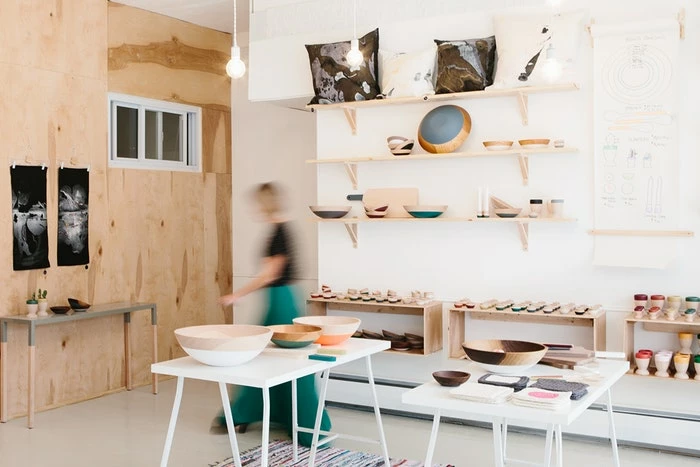
I can’t believe it, but now I have a showroom and a small team. Things seem to be working out!
How do you price your products?
When I first started, I priced products low, accounting only for the product cost and a little bit of my time. Making orders for wholesale meant a lot of work for little reward and, after five months, I was burnt out with nothing in the bank to show for it.
I knew I needed to consider how much time I was spending on creating products, so I timed myself and then took into account how much I had to sell to make a living. My spoons were initially priced at $14, but when I did the math I realized they needed to be priced at $29 if I was going to make a living from selling them. I truly didn’t think marking them up by that much could work, but I had no other choice.
To my surprise, my customers didn’t even blink when I raised my prices. I sold just as many spoons (if not more!) and I was much happier.
I think that anyone selling handmade products has a responsibility to price products fairly, not just to avoid doing themselves a disservice, but also to prevent doing a disservice to fellow artisans who are trying to make a living.
What does a typical day look like for you?
I wake up around 6:30am and make breakfast for my kids before taking them to school. I make it to the studio by 9am, grab a coffee and sit down to work on emails and admin.
My two employees arrive an hour later and we start creating products. It’ll take us until lunch to get through the day’s orders, so we grab a bite to eat and then start on packaging up orders for shipping and other odd jobs.
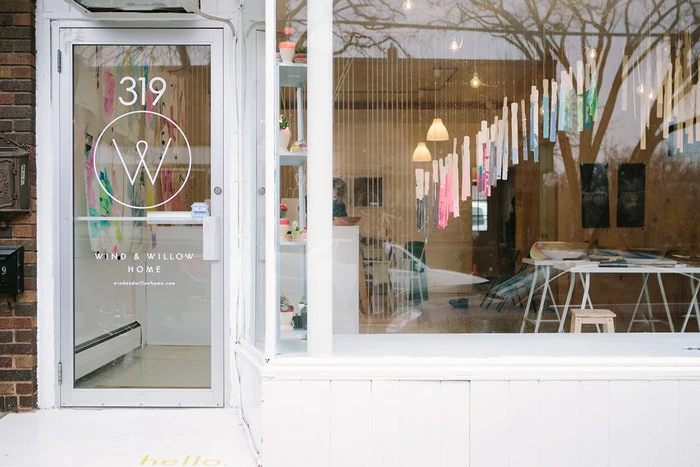
My studio is attached to my showroom, so while this is all going on, I take breaks to talk to potential customers. We pack up at 4pm and I pick the kids up, make dinner and help them with homework before their bedtime at 8pm. Then I pack in a few more hours of editing photos, updating social media and responding to enquiries before relaxing with my husband and going to bed.
On Monday evenings I take a business accelerator class to help me learn how to grow my company. I also try to get to the gym early in the morning a couple of days a week so I can be back before the kids wake up. On the weekends we take time out as a family to jump in the camper and head to a state park, which is how we regroup and how I keep my creative energy up.
If you could go back in time, what’s the one thing you’d do differently when starting your business?
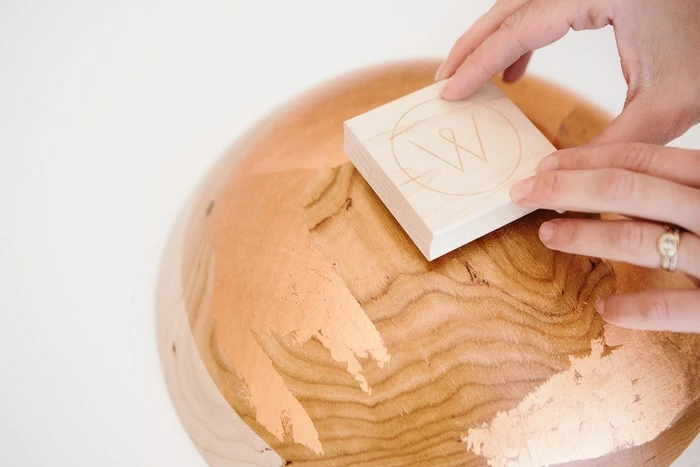
Wind and Willow Home grew organically and it’s only now, after four years, that I’m realizing I need to be able to trademark my company name. This is something I knew nothing about when I was starting out.
The problem is, there’s another company operating under the same name and, although they sell completely different products, they’re linked to the kitchen industry. So, I need to change my company name. Not realizing this sooner is my biggest regret, because it’s going to be so difficult to re-establish myself after the rebrand.
What would you like to learn today from a network of other small business owners and self-employed professionals?
I’d like to know how other people producing handmade goods are able to grow their businesses. Is there a way to separate yourself from the products that you’re so close to?
I’m also interested in finding ethical, US-based companies that will produce your products while letting you keep some control.
Could anyone here in QB Community give me tips on making that leap?
Do *you* have tips for Araya on how to produce homemade goods at scale?
Share your story below! We can wait to hear what you've learned. :-)