

Learning Business Lessons the Hard Way with Tailor Laura Harvey
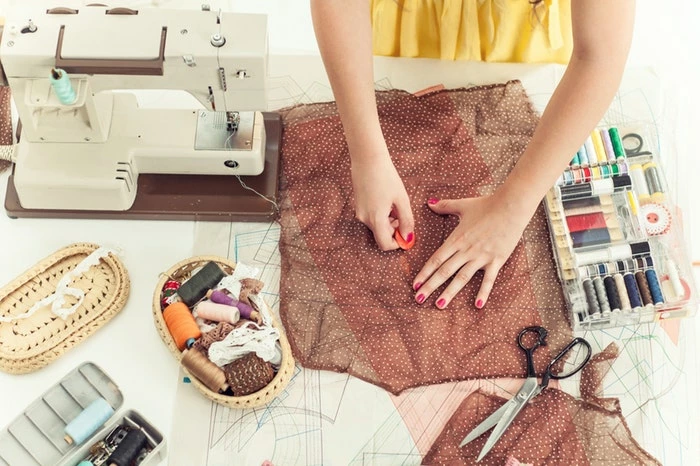
A bad experience at an agency inspired Laura to bite the bullet and set up her own studio – but first she had to learn a few tough business lessons along the way.
We asked her to spill the beans on how she learned to avoid getting burned by customers who won't pay and why she's looking for help from you on how to keep her studio space and client list more organized.
 Name: Laura Harvey
Job: Bespoke Tailor and Pattern Cutter, Owner of Yabby Studio
Started In: 2012
How did you create your awesome job?
Sewing and making clothes was a hobby, but I never considered it as a career until I was choosing colleges. It was the first time I’d ever thought about the kind of job I wanted, and I realized this was something I could do.
I prefer constructing clothes to designing them, so I decided to study bespoke tailoring at the London College of Fashion. As part of the course, we studied pattern cutting – it was a perfect match for me. I enjoyed it and I was good at it, so I studied for a Pattern Cutting Master's degree the next year.
After graduation, I freelanced for an agency that cut patterns for various fashion houses and began doing private tailoring in my free time. I had some problems with the way the agency worked, however. The boss wouldn’t allow me to have contact with the clients, so I was often missing vital information and we’d have to go back and ask more questions before I could start. In a moment of frustration, I realized I could do better on my own. In 2012, I decided to strike out on my own and start my own business.
But first, I did some research and found that there aren’t many sampling studios in the UK, and hardly any that also offer a bespoke service. I saw the gap in the market and took it.
Who was your first customer?
My first customer was my aunt! I made a silk jacket for her. That was the first time I made out an invoice with my studio name on it – the first official product of Yabby Studio.
What is the biggest lesson you learned thus far about pricing?
The toughest thing was learning how to have a conversations about pricing.
It took some time and practice for me to feel and sound confident, even though I knew I was selling at the market rate. At first, I felt almost apologetic – I wanted them to pick me to do the work, but I didn’t want to undersell myself.
I fixed my hourly rate by looking at what other freelancers in the industry charge and aligning myself with their rates, while taking my experience level into account.
Because I don’t get sick pay or holiday, I have to factor that in, too. How much would I earn if I took off X amount of time each year?
What does an average day look like for you?
I’m up by 8am every day, but apart from that, every day is different.
I have a studio at home, so the first thing I do is check what my day’s jobs are. Usually I’ll get through two patterns per day, but it’ll be less if I have to drop off some work I’ve done, go fabric shopping or meet a client.
When I meet a client, it’s usually after we’ve agreed on the basic design and price – they just want to get a feel for me and what I’m like. It’s also helpful to have the design in front of us so we can talk about what they want, so I always come prepared. Talking through a design or a pattern in person is much easier than trying to describe the cut or shape or size of something over email.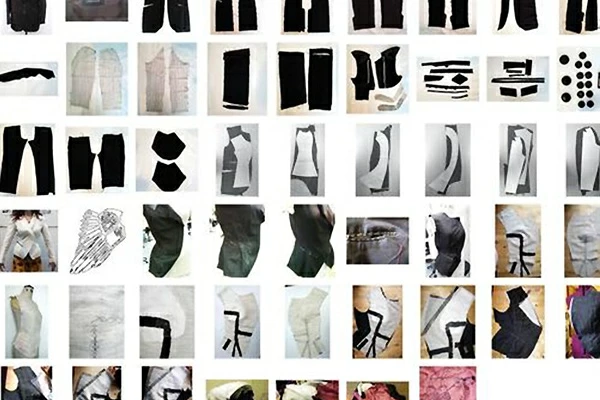
What is your most effective method for finding new customers?
I’ve been quite lucky because a lot of my customers have found me. The longer I’m in the industry, the more work is falling into my lap.
About 50% of my workload comes from repeat customers, 25% from word-of-mouth and the rest is completely new people finding me online. Sometimes I’ll get referrals from industry friends when they can’t take something on, which is great.
In terms of my digital presence, I have a website that I update every few months with new photos of my projects and an Instagram account that I post to every few days with photos and videos from my studio.
I really like the informality of Instagram – I can post things there that I wouldn’t put on my website, like quick snaps from my phone. A few people have event contacted me directly through Instagram, and recently I got my first paying Instagram customer! She’s a designer and I’m cutting the pattern of a wedding dress she drew up, creating the sample and producing the gown.
When brand new people reach me online, I always ask them what they searched for to come across my site, but they can never remember. I use Google Analytics to track traffic to my site, but I'm not yet taking full advantage of the tools they offer. It would be great to know exactly how people find me online.
What is the biggest mistake you made early on when you were starting out?
The biggest mistake I made was being too trusting of people and starting work without a contract – I had some issues with non-payment.
Once, I sent the patterns to the client and they told me they were wrong and unusable, but when I asked for them back I got jumbled responses. It turned out that they’d used them but didn’t want to pay for them.
Now, my email correspondence counts as a contract, but because I didn’t have anything back then, they got away with it.
What do you wish you'd known in the first three months of running your business?
I wish I’d jumped in sooner in terms of getting work, rather than spending so much time worrying about the name and branding of my business.
I wanted to pick a name for my business that didn’t bring up a lot of other results when people search for it online. I thought about having something with my name in it to appeal to the luxury market, but in fashion it’s more about the designer’s name than the pattern cutter’s, so I opted for something that stands out instead.
After awhile, I settled on Yabby because I needed to pick something and I was listening to a band I like, Yabby U. I think I probably could’ve come up with something better, but it was a decision I made in the moment!
What would you like to learn from a network of other small business owners and self-employed professionals?
I’d like to know how other people manage their workspaces – both physical and digital. I’m quite messy, so it’d be great to learn some organizational tips.
I’d also love to find out what software people use for invoicing and managing client files.
Can you help Laura out?
Laura is looking for help with keeping her workspace organized. Do you have a system you love for keeping your to-do list and your desk in tip top shape? Do you have a favorite tool for keeping your clients organized and your invoices paid on time?
Share your tips below! Can't wait to hear your stories. :-)