

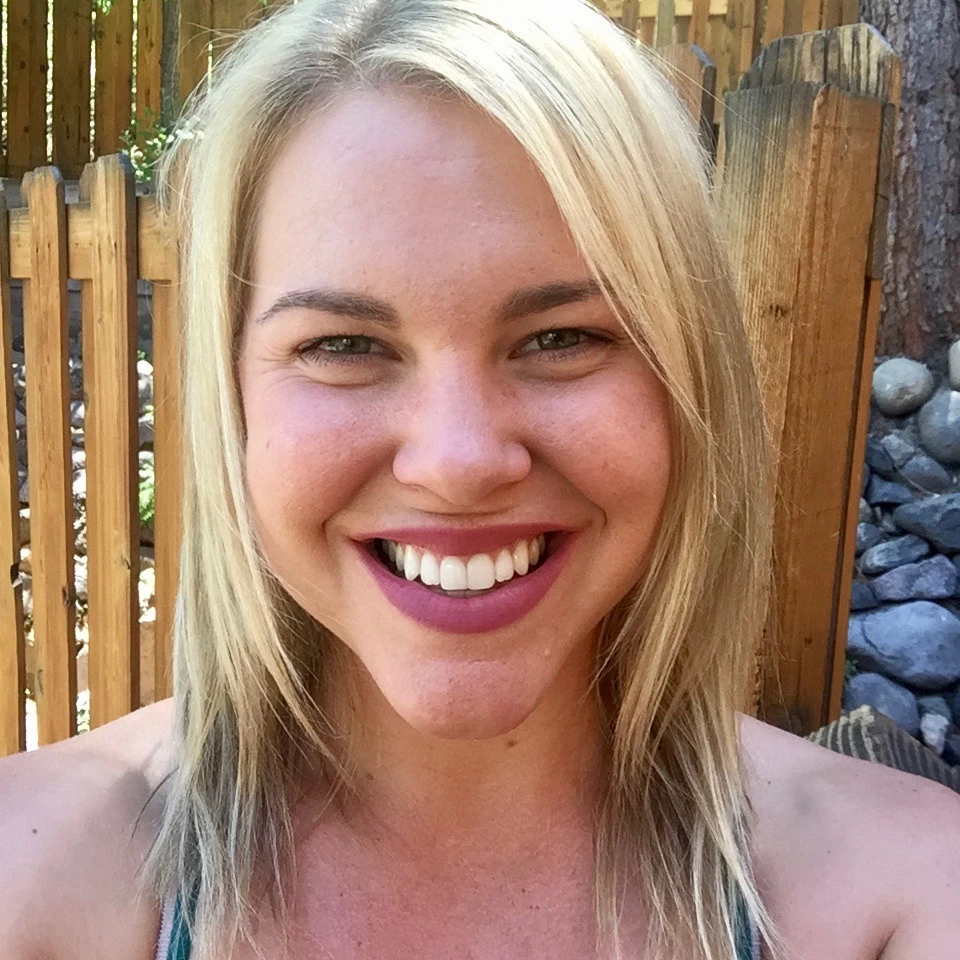
Want More Cash in Hand? Victoria Cameron Shares Her Tips for How to Increase Your Cash Flow!

At first glance, Victoria Cameron's résumé reads like the story of a small business superhero. An experienced accountant and small business consultant, she worked for KPMG and several startups before opening her own consulting business in 2000, VRC Consulting.
Victoria is bringing her business saavy and accounting expertise to QuickBooks Connect in San Jose this year with a special session on how to take control of your cash flow, so we asked her to share with us ahead of time a sneak peek at what attendees can look forward to.
 Name: Victoria Cameron
Business: VRC Consulting
Founded: 2000
Tell us a bit more about your background and why you decided to start your own consulting business.
You could say that a lot of the pursuits of my career have been driven by the fact I've been living in the Bay Area for a long time. I studied economics at Stanford University, where I took my first accounting course.
After school, I worked in audits at KPMG and a lot of my clients were small businesses. That was when I first started to realize how much I really enjoyed working with small business owners and up-and-coming businesses to help them get their financial feet on the ground.
Following my time at KPMG, I helped start a few different companies as the "finance person," but I quickly grew tired of the long hours. I decided to go out on my own, and focusing only on small business owners with my consulting practice was obviously a natural fit for me.
At the time, a lot of people were starting to think about moving their businesses online and I helped them computerize their accounting practices. I was using a lot of different bookkeeping software programs back then, but eventually settled on QuickBooks.
For about 15 years now, I've been helping folks with everything from training to troubleshooting. I focus primarily on working with businesses that have less than $3 million in revenue. Usually, they don't have an entire accounting department or even one person dedicated to handling their accounting. In many cases, it's the small business owner themselves who is trying to do all of that in addition to running the day-to-day of their business.
Working with such small companies means that the more I can help them, the more efficient they are going to be with how they handle all of their financials.
What is your favorite part about working with small business owners every day?
My absolute favorite thing is when I take all of the numbers that go into QuickBooks and help someone see exactly how they can make better decisions for their business with that information.
A lot of times people treat QuickBooks like a big checkbook, but they ignore the little ways that it can also help you grow your business.
Your session at QuickBooks Connect this year is all about how to take control of your cash flow by employing new ways to measure revenue and expenses. What do you hope attendees will be able to take away from your talk?
I really want folks to be able to walk away with the idea that you can actually make a difference in your cash flow simply by paying more attention to the ins and outs of your business.
Money in and money out constitutes cash flow, but a lot of small business owners don't know what a cash flow statement is, or they're not paying attention to it. It's one thing to manage your cash flow according to your bank balance, but that doesn't help you plan ahead so you know which bills are going to be due in the future. So many small business owners I know are surprised by those cash outflows and they aren't prepared when they happen.
At QuickBooks Connect, we're going to provide detailed tips on how to improve your accounts receivable collection process. Why? Because this is the best way to make your cash flow that you do get in last a lot longer.
What are some of the big challenges that you see most small business owners struggle with when it comes to cash flow?
Some of the biggest questions I get from small business owners around cash flow are...
How can I owe taxes when I don't have any money in my bank account?
or
How can I owe taxes when I haven't made a ton of money?
With these folks, my goal is to help them understand the difference between being profitable and being cash flow positive. Then, you can start to figure out where that money went every month.
One of the best ways to improve your inflow of cash is by using the invoicing feature in QuickBooks to make sure you get paid faster. Depending on your business, you can even take pre-payments, deposits or retainers.
To improve your outflows, I recommend using the bill feature in QuickBooks to see what the projected outflows are for your business so that you aren't surprised by those low numbers.
What are your tips for building better habits when it comes to reading and understanding your financials regularly as a small business owner?
So many of the small business owners I work with are number-phobic. Their eyes glaze over and they start to get this panicky look on their faces when we start to talk about their financials.
I've learned that whenever I can use software to show someone a graph or a chart – rather than a scary list of numbers – that's a lot more powerful.
At QuickBooks Connect, we'll be covering some of the different tools and apps I really like that will show you cash flow vs. profitability in a way that is easy to digest. One of my favorites is LivePlan. It's a great way to track your financial progress because everything is updated automatically and you can see exactly where you're going with your projections.

If I need to pick up the pace and get more cash coming in the door for my business, how do you recommend I do that?
The first thing I would tell you is to go after your accounts receivable. If you need cash tomorrow and you're a services business, you probably have money sitting right there and you just need to get on top of your invoices. If you're a retail business, I recommend kickstarting your cash flow by having a sale.
The key to invoicing is to make sure you're sending them out directly – and following up frequently. Even when you aren't sure if you actually need to send out an invoice, chances are the answer is yes.
I have one client who won't make any shipments until their customer pays the bill. This is a great tactic for making sure you get paid up front and on time.
If you need help with organizing your invoices, there are a lot of apps out there that can help. I like InvoiceSherpa because it's perfect for collecting money before you ship and it will keep you top of invoices after you ship.
A lot of small business owners I work with are nervous about spending money on apps like this that will cost $20 up front when they're already strapped for cash. A better way to look at it is that these apps will save you X amount of time and help you increase your cash flow – which could translate to hundreds or thousands of dollars you didn't have before.
What are you most looking forward to at QuickBooks Connect this year?
For me, the best part about QuickBooks Connect is that it brings together accountants, small business owners and developers. I usually just go to conferences with other accountants. It's wonderful to be in a place where all of these worlds collide.
I'm hoping to meet many more small business owners this year. It's exciting to meet the people face-to-face that you're working with and really dig into how we can make everyone's lives better – whether that's by developing a new app or by learning more about what's top-of-mind for small business owners right now.
Do you have questions for Victoria ahead of her talk at QuickBooks Connect?
Victoria will be covering better ways to measure your revenue and expenses at QuickBooks Connect this year, but if you can't make the event – no sweat! Share your burning questions on all things cash flow right here. :-)